

In recent years, consumers have become increasingly conscious of the quality and source of the food they consume. Among the most debated dairy choices in Indian households today is whether to opt for organic desi cow milk or stick to regular, non-organic options. While both claim to offer nutrition and taste, there are crucial differences in how they’re produced, processed, and impact your health.
In this blog, we’ll explore what sets organic desi cow milk apart from its non-organic counterpart and help you make an informed decision for your family’s well-being.
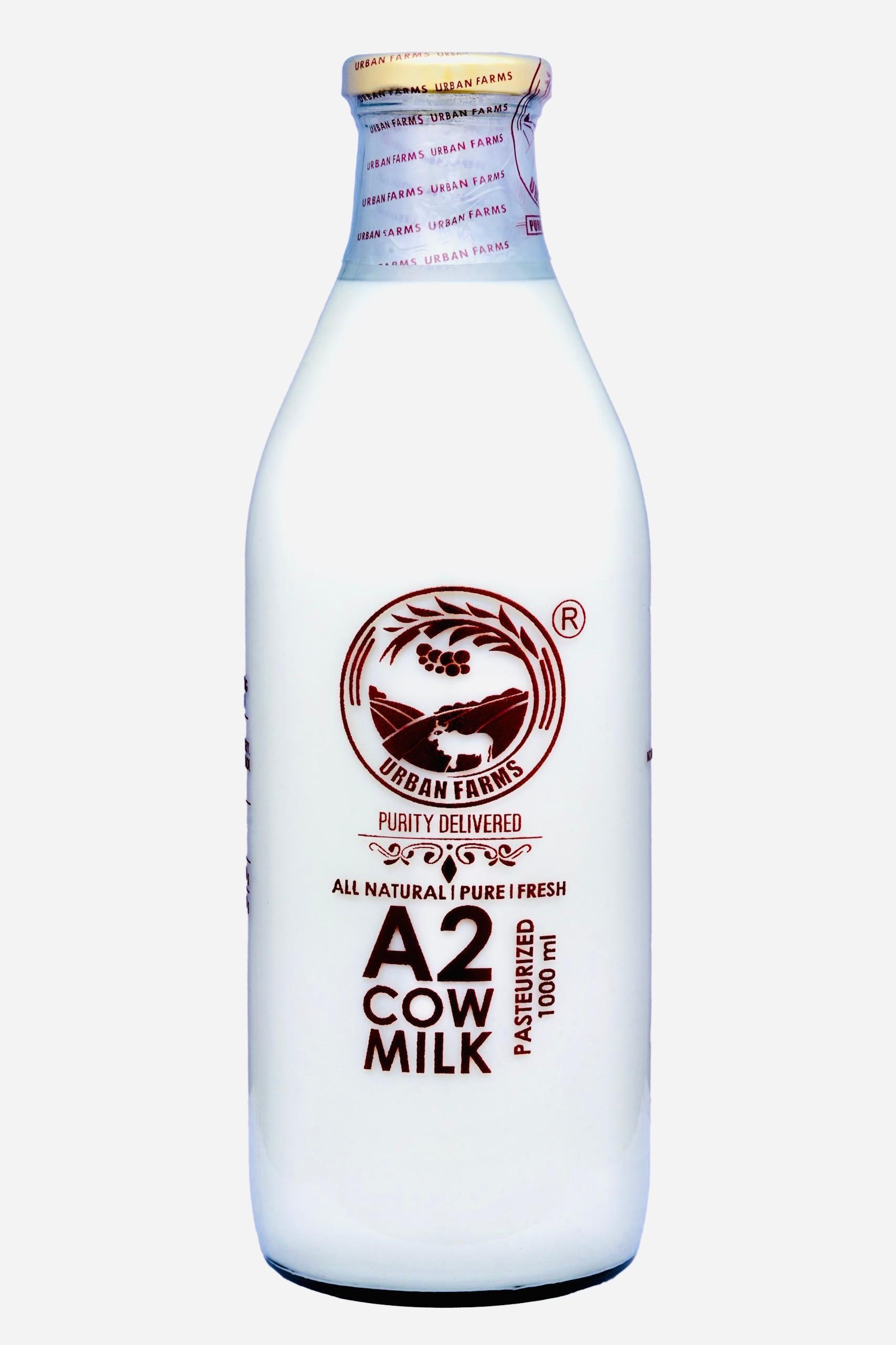
Understanding Desi Cow Milk
Desi cow milk refers to milk obtained from indigenous Indian cow breeds such as Gir, Sahiwal, Red Sindhi, and Tharparkar. These cows produce A2 milk, which is considered healthier and more digestible than the A1 protein found in milk from foreign breeds like Jersey or Holstein.
Pure cow milk from desi cows is naturally rich in essential nutrients like calcium, omega-3 fatty acids, vitamin B12, and CLA (conjugated linoleic acid). It also contains healthy fats that support immunity, brain development, and bone strength—especially important for growing children and aging adults.
What is Organic Desi Cow Milk?
Organic desi cow milk is milk that comes from cows raised under organic farming practices. These cows:
Are not injected with artificial growth hormones or antibiotics
Are fed with organic fodder and graze on pesticide-free grass
Live in clean, humane, and stress-free environments
Produce milk that is free from synthetic additives and chemical residues
This kind of milk is processed minimally, often delivered fresh or cold-pressed to preserve nutrients. It’s a preferred choice among health-conscious consumers who prioritize clean eating and sustainable farming.
How Non-Organic Milk Differs
Non-organic desi cow milk, while still derived from native Indian breeds, may be produced using conventional dairy practices. This can include:
The use of chemical-based cattle feed
Potential antibiotic usage during animal illness (though often regulated)
Higher risk of milk adulteration during storage or distribution
Less control over hygiene and animal welfare standards
While it may still be pure cow milk, it lacks the assurances provided by certified organic production. In some cases, it may also be processed using high-heat pasteurization, which can reduce the natural nutrient content of the milk.
Key Differences: Organic vs. Non-Organic Desi Cow Milk
Feature
Organic Desi Cow Milk
Non-Organic Desi Cow Milk
Cow Feed
100% organic, pesticide-free
May include chemically-treated fodder
Antibiotics/Hormones
Not allowed
Sometimes used for illness or increased yield
Processing
Minimal, often cold-pressed
May include high-heat pasteurization
Taste & Texture
Rich, creamy, natural
Varies by source and processing methods
Environmental Impact
Lower, eco-friendly practices
Higher, due to industrial farming
Price
Slightly higher
Generally more affordable
Why Choose Organic Desi Cow Milk?
Purity and Safety
Organic milk is free from antibiotics, preservatives, and hormone residues, offering a cleaner and safer option for daily consumption. It aligns well with Ayurvedic principles that emphasize consuming pure cow milk for inner balance and health.
Better Nutrition
Studies suggest that organic milk often contains higher levels of omega-3 fatty acids, antioxidants, and vitamin E. Desi cows, particularly breeds like Gir and Sahiwal, already offer superior milk quality; when raised organically, the benefits only multiply.
Environmental & Ethical Concerns
Organic farms tend to prioritize animal welfare and environmental sustainability. When you choose organic desi cow milk, you're supporting practices that are better for the planet and kinder to animals.
What to Watch Out For
Not all labels that say "organic" or "pure" are trustworthy. Here’s what to check before purchasing:
Certifications: Look for FSSAI approval and organic certifications from authorized agencies.
Source Transparency: Brands that disclose sourcing, cow breeds, and feeding practices are more reliable.
Packaging & Shelf Life: Genuine organic milk usually has a shorter shelf life, indicating minimal processing.
If you’re switching from regular to organic desi cow milk, give your body a week or two to adapt. Some people report improved digestion, energy, and taste satisfaction almost immediately.
Conclusion
The choice between organic and non-organic desi cow milk ultimately depends on your priorities—be it health, environmental impact, or affordability. However, with growing awareness and access to ethical farming, pure cow milk sourced organically is becoming the gold standard for those who value quality and transparency.
Whether you’re drinking it fresh, adding it to your tea, or using it in cooking, choosing the right kind of milk can significantly impact your long-term wellness. If possible, opt for organic desi cow milk to enjoy cleaner nutrition and support a healthier food ecosystem.


Top comments (0)