

Indoor air quality plays an important role in maintaining a comfortable and healthy living environment. While homeowners often focus on cleaning floors, furniture, and other visible surfaces, the air ducts connected to their heating and cooling systems can easily be overlooked. Over time, dust, dirt, pet dander, and other airborne particles may accumulate inside ductwork and HVAC components. Professional air duct cleaning can help address this buildup and support better HVAC system maintenance.
Understanding how air ducts work, recognizing signs of contamination, and knowing when to schedule professional cleaning can help homeowners make informed decisions about maintaining their indoor environment.
What Is Air Duct Cleaning?
Air duct cleaning is the process of removing accumulated dust, debris, and other contaminants from the ductwork and selected components of a heating, ventilation, and air conditioning (HVAC) system. These components may include supply and return air ducts, registers, grilles, and other accessible areas, depending on the service provided.
During normal HVAC operation, air circulates throughout a home through a network of ducts. Although air filters capture some airborne particles, not every particle is removed before it enters the system. Over time, certain materials can settle inside the ductwork, particularly when filters are poorly maintained or the system experiences unusual dust accumulation.
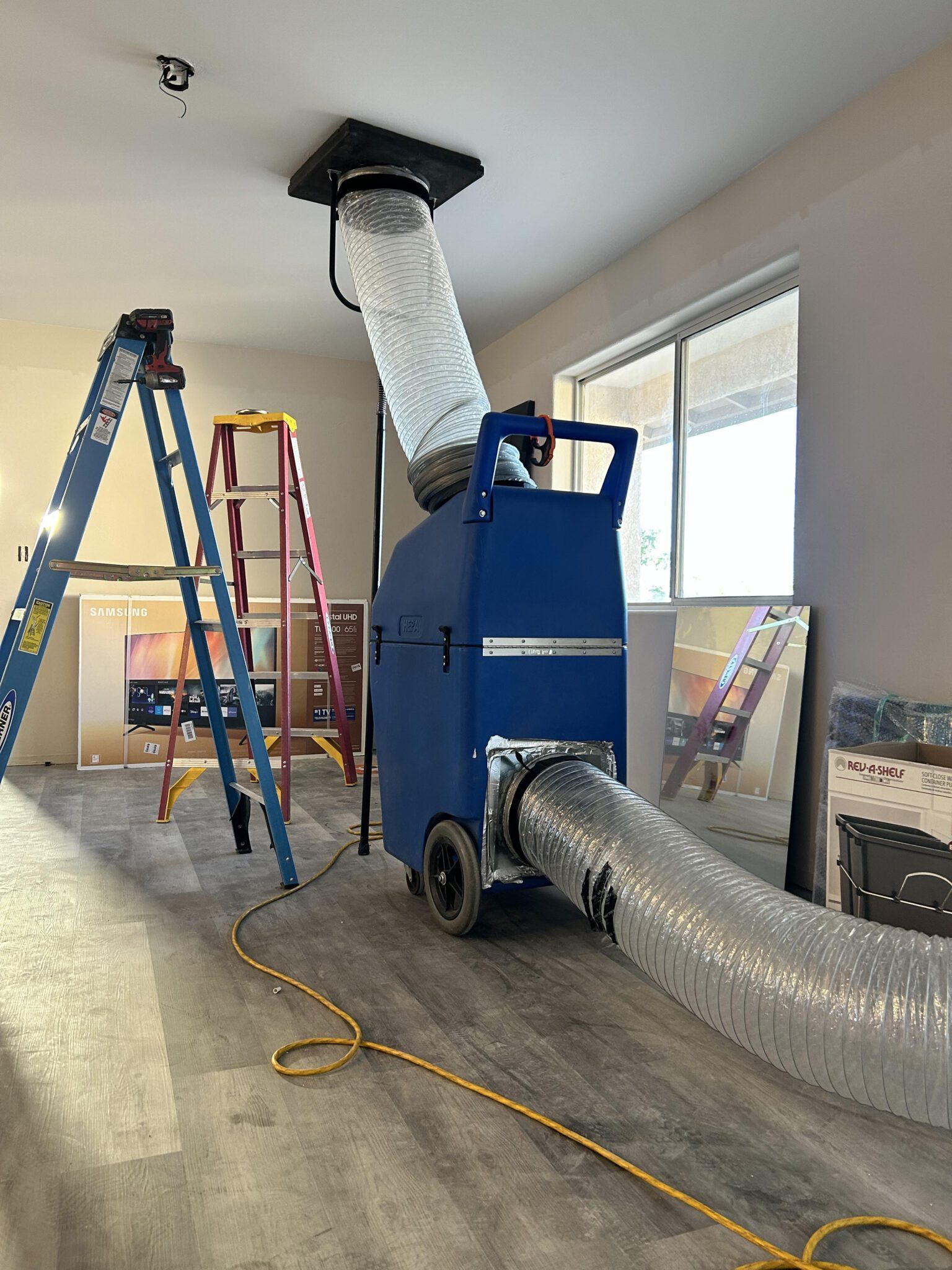
Professional duct cleaning uses specialized equipment to loosen and collect debris while helping prevent it from spreading throughout the home. The exact cleaning method depends on the duct material, system design, and condition of the HVAC equipment.
Common Signs Your Air Ducts May Need Cleaning
Not every HVAC system requires frequent duct cleaning. However, certain conditions may indicate that an inspection or professional service is appropriate.
1. Visible Dust and Debris
If you notice substantial dust buildup around air registers or visible debris inside accessible duct openings, it may be worth investigating the condition of your ductwork. Ordinary household dust does not automatically mean the entire system needs cleaning, but excessive accumulation can warrant further inspection.
2. Recent Renovation or Construction
Home improvement projects can produce significant amounts of drywall dust, sawdust, and other fine particles. If construction debris enters the HVAC system, professional cleaning may help remove accumulated material and prevent it from continuing to circulate.
3. Persistent Musty Odors
Unusual odors coming from air vents may indicate several possible problems, including moisture, dirty HVAC components, or microbial growth. Duct cleaning alone may not resolve these issues if the underlying source remains. Identifying and addressing moisture problems is particularly important.
4. Evidence of Pests
Rodents and insects can sometimes enter ductwork or other HVAC areas. Signs such as droppings, nesting materials, or insect activity require appropriate inspection and remediation. Cleaning may be necessary after the pest problem has been resolved.
5. Excessive Debris Inside the System
If an HVAC inspection reveals significant deposits of dust or other materials inside the ductwork, professional cleaning may be beneficial. An inspection can help determine whether cleaning is necessary and which components require attention.
Benefits of Professional Air Duct Cleaning
Air duct cleaning can provide several practical benefits when there is a genuine need for the service.
Reduced dust accumulation: Removing accumulated debris from dirty ductwork can help reduce the amount of loose material available to circulate through the system. However, household dust also comes from outdoor air, clothing, pets, and everyday activities.
Improved HVAC maintenance: Cleaning relevant components when necessary can support an overall HVAC maintenance plan. Filter replacement, coil inspection, drainage maintenance, and equipment servicing remain important parts of keeping a system in good condition.
Removal of specific contaminants: Professional cleaning can remove accumulated dust, debris, and other unwanted materials. If contamination involves mold or pests, the underlying problem should be identified and treated using appropriate methods.
Greater peace of mind: Knowing that the HVAC system has been inspected and that identified contamination has been addressed can give homeowners greater confidence in their indoor environment.
It is important to understand that duct cleaning is not a guaranteed solution for allergies, respiratory conditions, or high energy bills. Its benefits depend on the condition of the system and the specific problem being addressed.
How Often Should Air Ducts Be Cleaned?
There is no universal schedule that applies to every home. Some duct systems remain relatively clean for years, while others may require attention sooner because of particular circumstances.
Factors that can influence cleaning needs include pets, recent construction, water damage, pest infestations, smoking indoors, and the amount of debris found during an inspection.
Homeowners should monitor their HVAC system, replace air filters according to manufacturer recommendations, and arrange inspections when there are visible signs of contamination or other concerns. Cleaning solely because a certain number of years has passed may not be necessary if the ductwork is in good condition.
What Happens During Professional Air Duct Cleaning?
A professional service should begin with an assessment of the HVAC system and the condition of the accessible ductwork.
Step 1: System Inspection
The technician examines accessible ducts, vents, and relevant HVAC components to identify dust accumulation, visible debris, damage, and possible moisture concerns.
Step 2: System Preparation
Before cleaning begins, the technician prepares the work area and HVAC system. Appropriate containment measures help prevent loosened debris from entering the living space.
Step 3: Debris Removal
Specialized vacuum equipment and suitable cleaning tools are used to dislodge and collect accumulated material. The methods used should be appropriate for the duct material and system configuration.
Step 4: Component Assessment
Depending on the service scope and system condition, the technician may inspect accessible registers, grilles, and other relevant components. Additional services should be explained clearly before they are performed.
Step 5: Final Review
After cleaning, the technician reviews the work, checks for remaining concerns, and provides recommendations for maintaining the HVAC system. Any identified leaks, insulation damage, or moisture issues may require separate repairs.
Simple Ways to Keep Your Air Ducts Cleaner
Professional cleaning is only one part of maintaining a residential HVAC system. Homeowners can also take several practical steps to limit unnecessary dust and debris.
- Replace or clean HVAC filters according to the manufacturer's instructions.
- Keep supply vents and return air grilles free from obstructions.
- Vacuum carpets, rugs, and upholstery regularly.
- Control indoor moisture and repair leaks promptly.
- Use suitable dust-control measures during remodeling projects.
- Schedule routine HVAC inspections and maintenance.
- Address pest problems before they affect the ductwork.
These habits help support a cleaner home and allow the heating and cooling system to operate under appropriate maintenance conditions.
Choosing the Right Air Duct Cleaning Company
Selecting a qualified service provider is essential for receiving appropriate cleaning without unnecessary expenses. Look for a company that explains its inspection process, cleaning methods, and service scope before beginning work.
Ask whether the quoted price includes the components that need attention, whether additional charges may apply, and how the technician will protect your home during the service. A trustworthy provider should avoid exaggerated health claims and pressure tactics involving unnecessary treatments.
It is also helpful to review customer feedback, verify relevant qualifications, and request a clear explanation of any problems discovered during the inspection.
Conclusion
Air duct cleaning can be a useful part of home maintenance when ductwork contains significant dust, construction debris, pest-related contamination, or other materials that warrant removal. Combined with proper filter maintenance, moisture control, and regular HVAC inspections, it can help homeowners manage specific cleanliness concerns and maintain their heating and cooling systems.
Rather than scheduling cleaning automatically, consider the actual condition of your ductwork and seek a professional assessment when needed. Taking a practical, evidence-based approach helps you make informed maintenance decisions while keeping your home comfortable throughout the year.


Top comments (0)